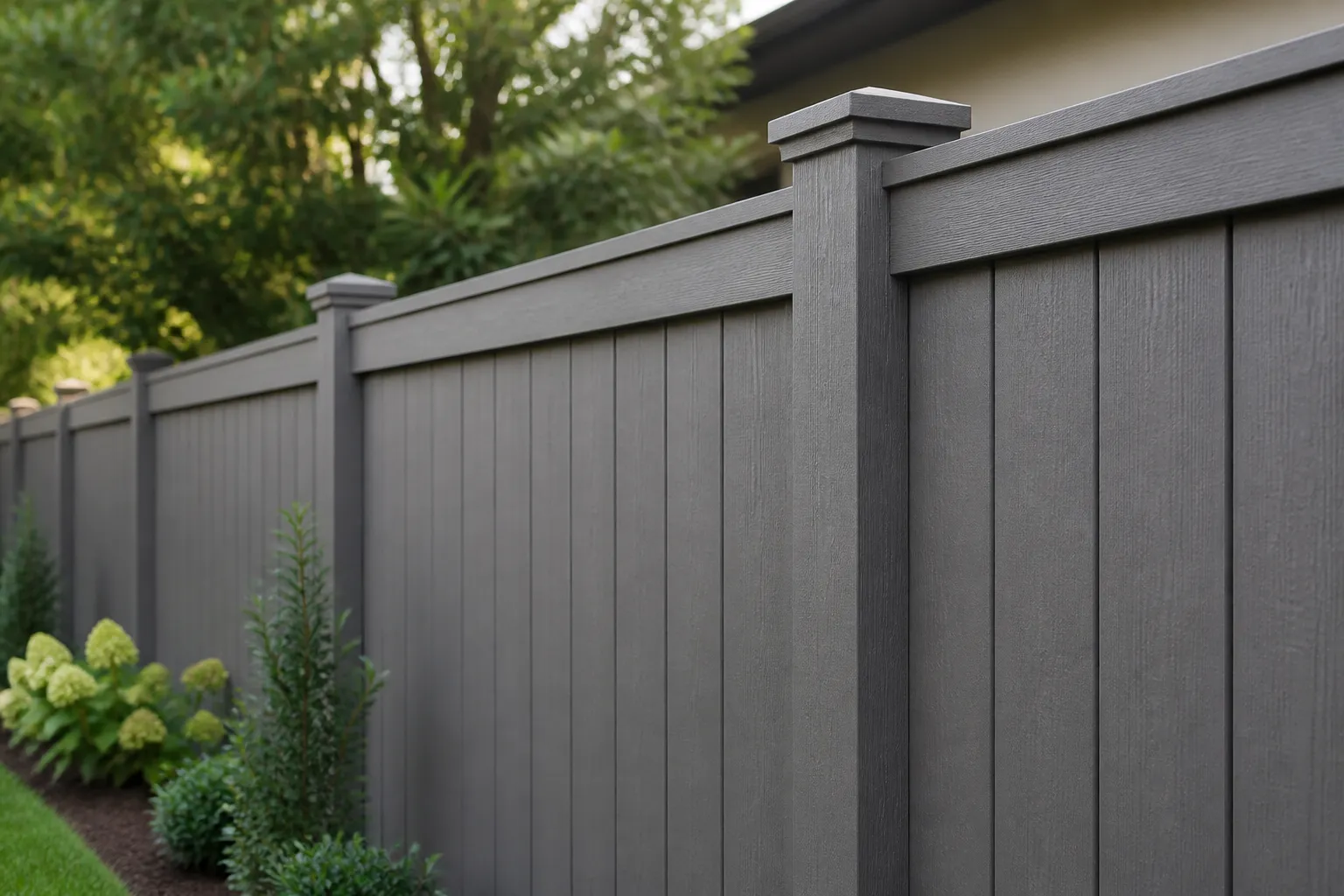
A fence that has faded, peeled, or turned blotchy can make the whole yard feel tired. If boards are dry, sun-worn, or showing old stains through the finish, a fresh paint job can bring back a clean, cared-for look without replacing the structure.
When you want fence painting handled with attention to surface prep, finish choice, and neat coverage, Durango Mamas House Painting can help. We work with small and larger projects across Durango, CO, and we can also discuss low-VOC paint and natural clay paint options if you want a gentler material choice for your home.
Fence painting is more than adding color. The finish has to handle direct sun, shifting temperatures, dust, and everyday wear from gates, pets, tools, and yard use. A fence also has plenty of edges, seams, and nail heads that can show through if the prep work is rushed.
Durango Mamas House Painting approaches each fence with the goal of creating a cleaner look that fits the rest of the property. That may mean a solid color for a uniform appearance, a softer tone that blends with the landscape, or a finish that helps older wood look cared for again.
A new finish can help a fence look even, brighten a tired boundary line, and make the yard feel more finished. It also gives you a chance to cover discoloration, weathered patches, and old paint that has started to break down.
If the surface looks patchy, the color has faded unevenly, or you can see flaking around rails and pickets, repainting is often the next practical step. A fence that is already clean and sound can often be updated without major disruption to the rest of the property.
Good fence painting starts before the brush ever touches the wood or existing coating. Prep determines how smooth the final result looks and how well the finish lays across rough spots, knots, seams, and older layers.
We begin by clearing away loose dust, debris, and anything that would interfere with a smooth coat. This helps the paint grip the surface more evenly.
Any peeling paint or flaking finish needs attention before repainting. Skipping that step can leave the new coat looking uneven.
We look for rough areas, blemishes, and spots that need added care so the finish reads clean once it is dry.
Fence sections, posts, rails, and gate areas can all need different handling. Planning the order of work helps the finish stay consistent from one section to the next.
This is where a careful eye matters. A fence may look simple from a distance, but each board can catch light differently, which makes prep and application choices important.
Not every fence needs the same coating. The right choice depends on the look you want, the condition of the surface, and whether you prefer a traditional paint finish or a more natural material option for the project.
For homeowners who want a crisp, uniform appearance, standard exterior paint can offer strong color coverage and a clean edge along posts and rails. This works well when the goal is to refresh a fence that already has a painted look.
Some customers prefer low-VOC products for a lighter indoor-outdoor experience while work is being completed around the home. These options can be a good fit for people who are sensitive to stronger paint materials.
Natural clay paint can be worth discussing if you want a more natural finish option. It is one of the materials we can review for customers who prefer healthier materials or have allergies, asthma, or sensitivities.
Different fence styles call for different methods. Boards, rails, and trim details each affect how paint needs to be applied and how much detail the job requires.
These often need careful coverage across broad flat sections and attention to seams between boards.
Fences with cut details or spacing between pieces can take more time because the finish has to look clean from both sides and at multiple angles.
Gates move more often than fixed panels, so they need extra care around edges, latches, and hardware.
Posts and trim pieces frame the fence and can make the whole project look more polished when they are coated evenly.
If your fence includes mixed surfaces or older touch-up work, we can look at the condition and talk through the most practical way to handle it.
Homeowners often want a simple process and clear communication. For fence painting, that usually means reviewing the surface, choosing the finish, preparing the area, and then applying the coating with care around nearby features.
You can call or text 917-539-2290 to request an estimate and discuss your fence project.
We look at the fence condition, the sections involved, and any details that may affect prep or finish selection.
If you want help choosing a shade, color consultation is available upon request.
We prepare the surface and apply the finish with attention to edges, corners, and the look of the full fence line.
Once the job is complete, we review the finished surface and make sure the result looks consistent.
Durango Mamas House Painting handles jobs with the same goal every time: a fence that looks refreshed and fits the home rather than calling attention to worn spots.
Fence color can change how a yard feels. A dark tone can make the fence recede visually, while a lighter finish can make the boundary line stand out more clearly. Some homeowners want the fence to blend with the house, while others want it to frame garden beds or outdoor spaces.
If you are unsure where to start, a color consultation can help narrow down the options. We can talk about how a shade will look next to your home, trim, and yard features before work begins.
Think about how the color looks in direct sun, how often the fence shows dust or wear, and whether you want the finish to feel bold or understated. Fence painting should support the home, not overpower it.
Once a fence is painted, a little care helps it keep its finished look longer. The goal is not to overcomplicate maintenance, but to keep the surface from being damaged by avoidable wear.
A gate that drags or scrapes can wear down fresh paint around the edges.
Cleaning should be gentle so the finish stays even.
Furniture, tools, and yard equipment can mark painted surfaces if they come into contact with the fence.
Areas that get the most direct sun or handling may show wear sooner and deserve a quick look now and then.
Small touch-ups can be easier to manage when the rest of the fence has been finished well from the start.
Yes. Existing paint can often be repainted if the surface is prepared carefully and any loose or peeling material is addressed first.
If you want it, yes. Color consultation is available upon request, which can be useful when you want the fence to coordinate with the home or yard.
Low-VOC options can be discussed for fence projects, especially if you prefer a material choice with less odor or sensitivity concerns.
Natural clay paint is one of the options we can talk about for customers who want a healthier material choice or have allergies, asthma, or sensitivities.
Yes. Durango Mamas House Painting works with both small and larger projects, so a short fence section or a larger perimeter can both be discussed.
You can call or text 917-539-2290 to set up an estimate and talk about your fence painting project in Durango, CO.
If your fence has faded, chipped, or lost its clean look, repainting can make a noticeable difference across the whole property. A careful finish can bring back definition, improve curb appeal, and help the yard feel more put together.
To talk about fence painting with Durango Mamas House Painting, call or text 917-539-2290 or email Jamierosenberger@gmail.com. We can discuss your goals, finish preferences, and the scope of the work so you can move forward with confidence.
Start Your Painting Project
Tell us about your home, the rooms or exterior areas you want painted, and whether you are interested in low-VOC or natural clay paint options. Jamie can help schedule a walkthrough by call or text.